Keeping Your Pet Healthy: Essential Preventative Care
Preventative care is genuinely the best medicine when it comes to pet health. Regular check-ups, vaccinations, parasite prevention, and dental care can add years to your pet's life and save you from devastating health crises. Yet many owners only visit the vet when something goes wrong.
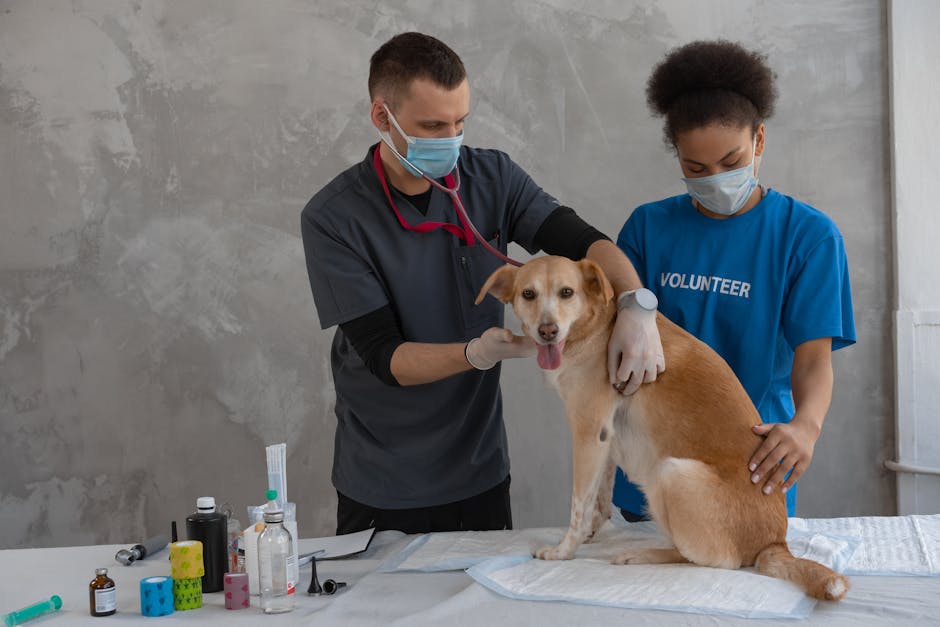
Annual veterinary check-ups should be standard practice for all pets. During these visits, your vet examines your pet's overall health, listens to their heart and lungs, checks their teeth and eyes, and palpates their abdomen to feel for abnormalities. For senior pets (over seven years old), twice-yearly check-ups are recommended as health problems develop more frequently.
Vaccinations protect against serious diseases. Puppies and kittens require a series of vaccinations to build immunity, followed by regular boosters throughout life. The specific vaccines needed depend on your pet's lifestyle and risk exposure. Your vet will advise which vaccinations are essential versus optional for your circumstances.
Parasite prevention is critical and year-round in the UK. Fleas, ticks, and worms aren't just uncomfortable; they cause serious health problems and can transmit diseases. Monthly treatments prevent infestations before they start. Intestinal worms are particularly dangerous for young animals and can cause anaemia and malnutrition.
Dental health is dramatically underrated. Dental disease causes pain, tooth loss, and can lead to infections affecting the heart and kidneys. Brush your pet's teeth regularly if possible, provide dental treats and toys, and have professional dental cleanings when recommended by your vet. Dental problems become more common as pets age.
Spaying and neutering offer significant health benefits beyond preventing unwanted litters. Neutering eliminates testicular cancer risk and reduces prostate disease. Spaying prevents uterine infections and breast cancer, particularly if done before the first heat cycle. These procedures also reduce behavioural problems related to hormones.
Weight management is preventative care in action. Overweight pets are at higher risk for diabetes, joint disease, heart problems, and shorter lifespans. Regular weigh-ins at your vet's office help track trends early. Adjust portions and increase exercise before weight becomes a serious problem.
Microchipping provides crucial identification if your pet gets lost. Unlike collars that can fall off, microchips are permanent and can be scanned by vets and shelters to reunite you with your pet.
Maintain detailed health records including vaccination dates, medical history, and medication details. This information is invaluable if you change vets or face a medical emergency.
Pet insurance can ease the financial burden of unexpected health issues, allowing you to pursue treatment without impossible cost barriers. Consider insurance when your pet is young and healthy, as pre-existing conditions aren't typically covered.
Prevention requires commitment and cost, but it's far cheaper than treating advanced diseases and far less emotionally devastating than losing a pet prematurely to preventable illness.